
Hello friends! Today’s blogpost will be a pretty interesting one, because you will get to see our group’s mini ‘parody’ video! The media text that my group and I chose to portray in our video was Uses and Gratification theory.
Here’s our attempt on the video.
We came out with three main applications that we thought was the most relevant in the media space: Instagram, Twitter and Whatsapp/Tiktok.
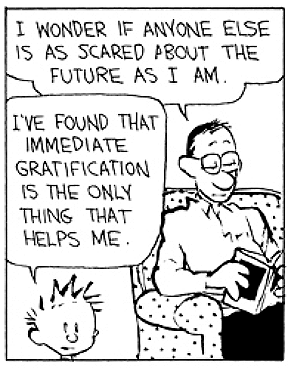
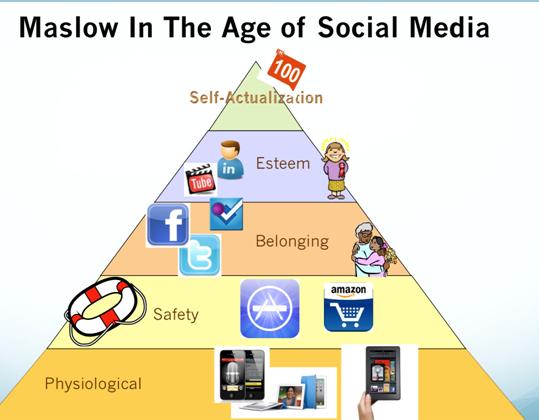
It is prevalent how almost everyone uses these applications for different purposes, be it for leisure or just to seek validation. Since our topic is on Uses and Gratification theory, we thought it would be agreeable to show the behind the scenes on how some people uses these applications. Quick recap, the Uses and Gratification theory explains how we all uses media for our own personal benefits.
Explanation on the video
The first scene of the video was on Instagram.
Instagram’s slogan is “Capture and share the world’s moments”. However, my group mates and I feel that it is not always the case, as people tend to only show moments that they chose to share. Not to roast any catfishes but many people only post pictures that they think they look decent. I am not saying that we should not do that, because I myself am guilty of that too. In my opinion, most people chose to only show the pretty side online just to gain attention and validation, as it seems that only the good-looking ones are the most accepted in the online culture.
Back to the video, the scene depicts two friends, Aisah and Josie, scrolling through their Instagram feed and giving likes to pretty girls. Both of them were envying the pretty girls, until Angel walks in asking them if they’ve seen her sunset post. Aisah and Josie appeared to be uninterested, as it does not fall under the identity of “pretty girls”.
This links back to the Uses and Gratification theory as the message we were trying to convey was how many people uses the media as an escapism, seeking validation by only posting the ‘pretty’ side online. This is because in the media culture, pictures of pretty people are most likely to gain more attention than a picture of a normal sunset. With more ‘likes’, there will be more validation for the ‘pretty people’. Moreover, many people use Instagram for entertainment, stalking pretty people and low-key wish that they look like them.
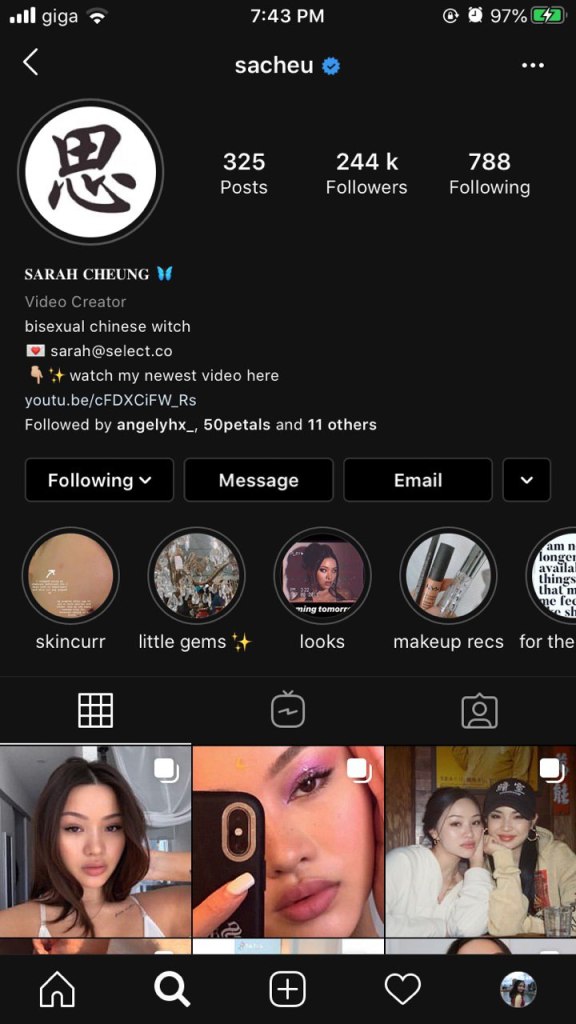
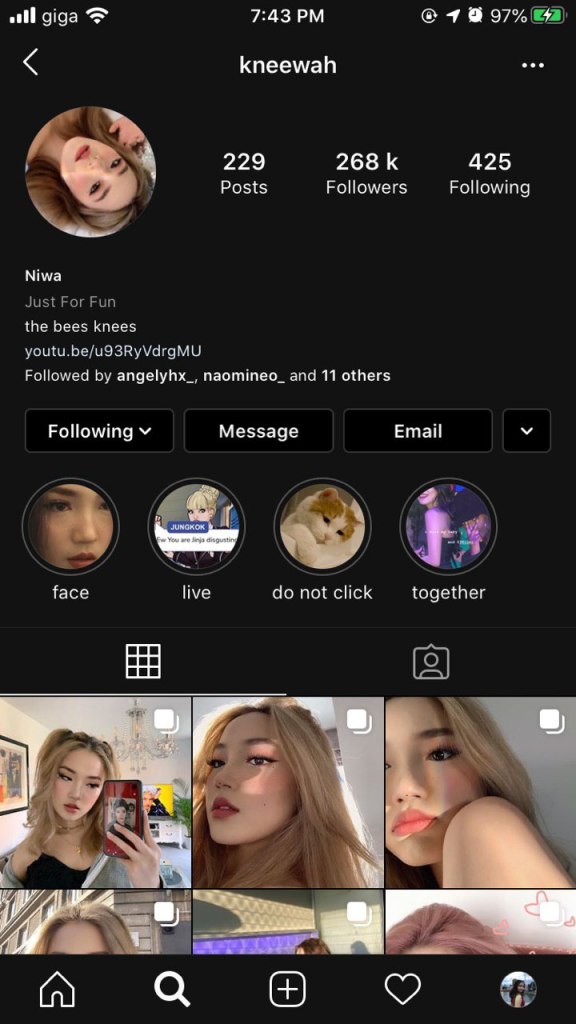
Okay sorry to side track, but just to share with you, here are some of my favourite Instagram babes!
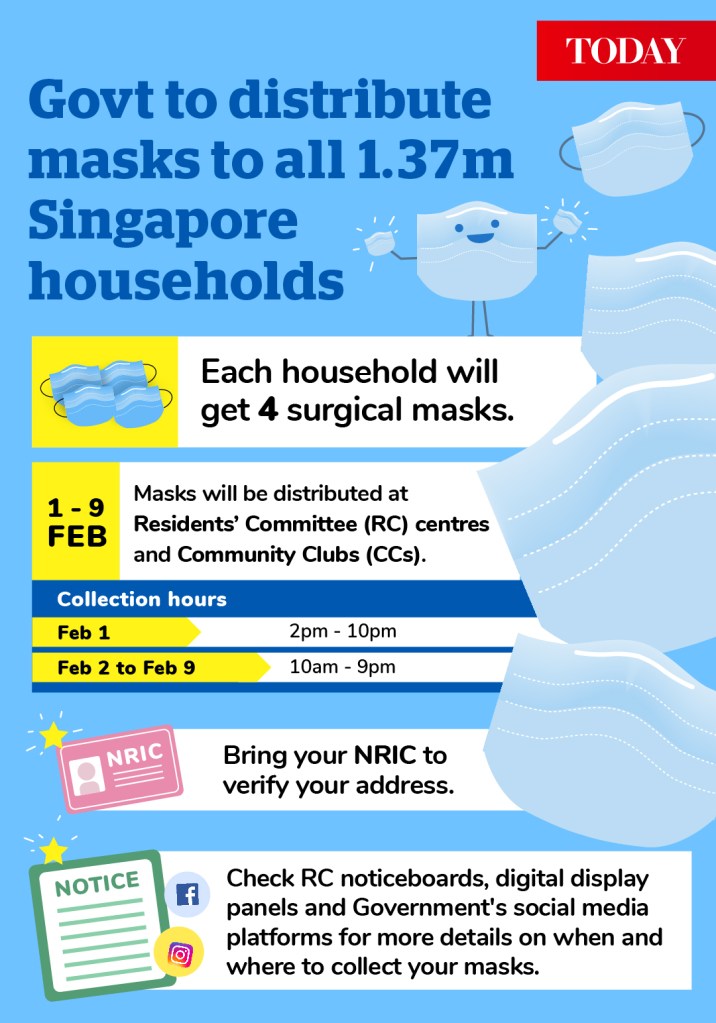
The next scene was on Twitter. Many of us know that people like to share things on Twitter that they think will go viral. Some even step out of their comfort zone to do risky things just because they want fame. With the current COVID-19 pandemic, the chances of purchasing any masks are close to zero. Even if there is, it is often sold at an outrageous price by people. In this video we filmed, it depicts Aisah as the ‘fake news reporter’ and me, the one going undercover to expose Siva, the ‘mask dealer’. Aisah and I are twitter users who want to gain attention and fame on Twitter. This links back to the Uses and Gratification theory as the message we were trying to convey is that most Tweeters tweet things for fame, because viewers on Twitter enjoy such entertaining contents.
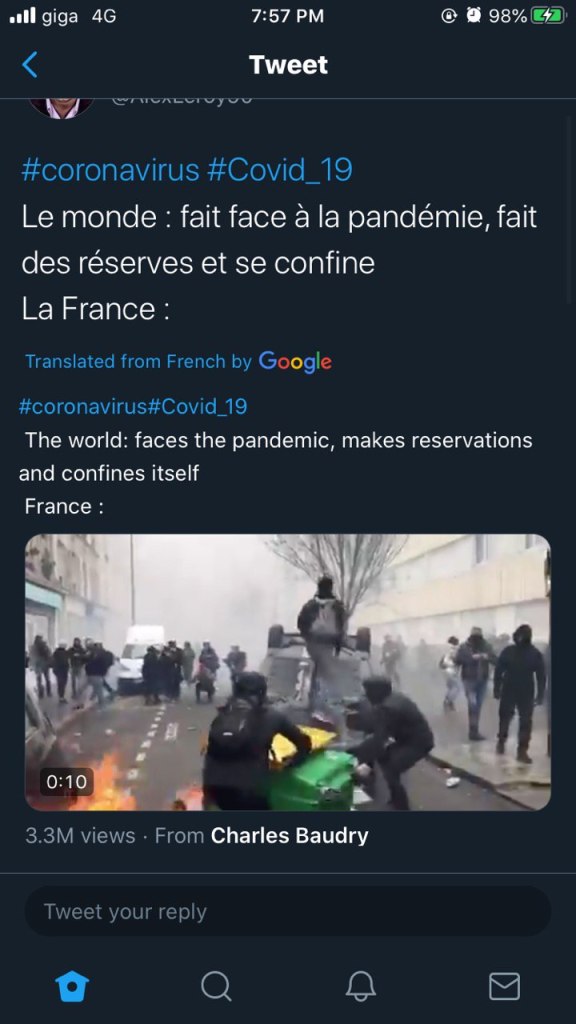
Here are some examples of tweets you can find on Twitter. I don’t know if it is just me but I find these stuffs more genuine than TV news. Just one tweet and the world can see what is going on in the rest of the world.

The last scene was on Whatsapp/Tiktok. One click away and we can share news, pictures or files to our family and friends. The video shows Angel watching a cute puppy video on Tiktok. She then shared it to me via Whatsapp, and then I shared it to Josie. Initially, Siva did not receive the video until Angel walks in and show it to him. This explains how all of us are in one shared community. The things we shared online can be spread to others so easily. This links back to User and Gratification theory as we use this application as a source of entertainment, to form closer relationship with our family and friends by staying connected, and even as a conversation starter with them!
User Generated Content (UGC)
UGC describes any form of content that has been produced by users. Basically, it uses users of the brand to promote the brand instead of the brand promoting itself.
One relevant example most of us will know is Apple. ‘Shot on IPhone”. Sounds familiar? Apple uses photos that were taken from users of iPhone. Simply add a hashtag and your pictures might be featured on billboards, retail stores and even on their website.

So how does UGC changed the way I view and understand mainstream traditional TV?
When I was younger, a typical weekend involves me watching my favourite Doraemon show in the morning on Channel 8 TV. I remember having to watch through all the advertisements during commercial breaks. Today, people rarely watches TV anymore, so I guess that’s why more and more companies choose to advertise on social media platforms.
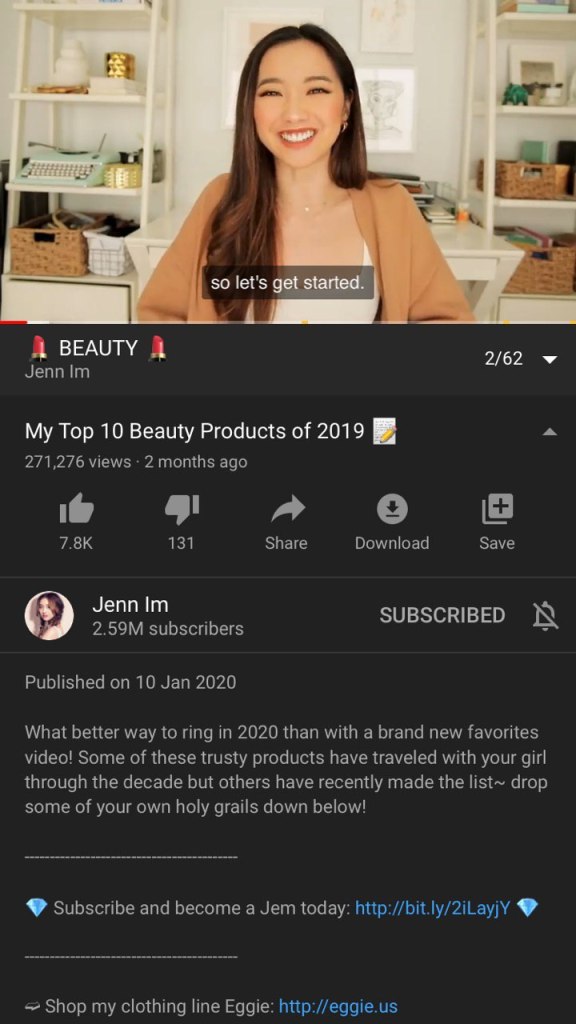
With so much more options to choose from other than TV, I will personally prefer using the internet to get my source. Instead of watching advertisements produced by companies to hard-sell their products, I can choose to watch YouTube videos uploaded by users who used and reviewed the product without any form of biasness (not sponsored videos, of course). I can watch and read many reviews to compare my options, and ultimately make the decision whether to buy the product or not.
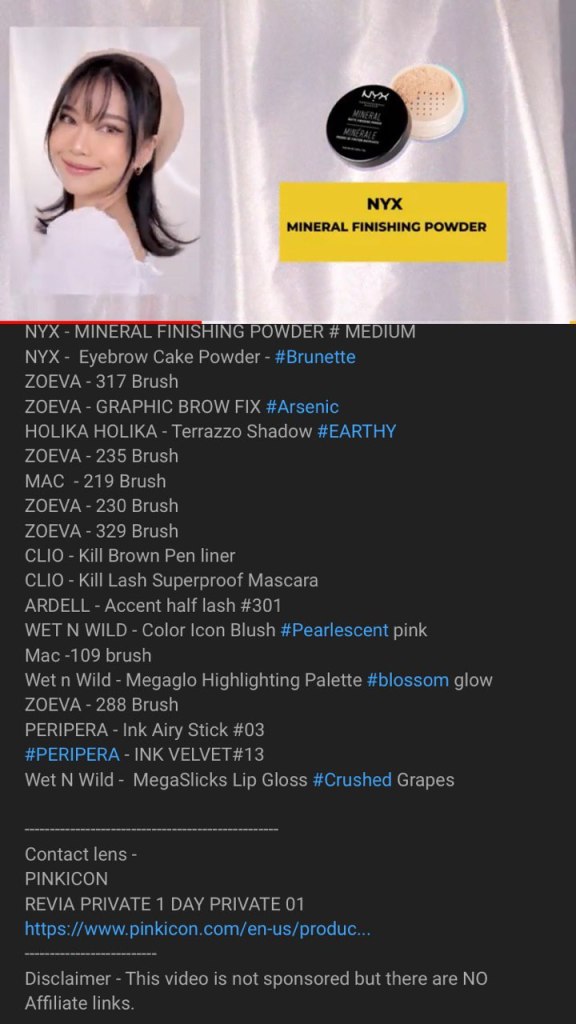
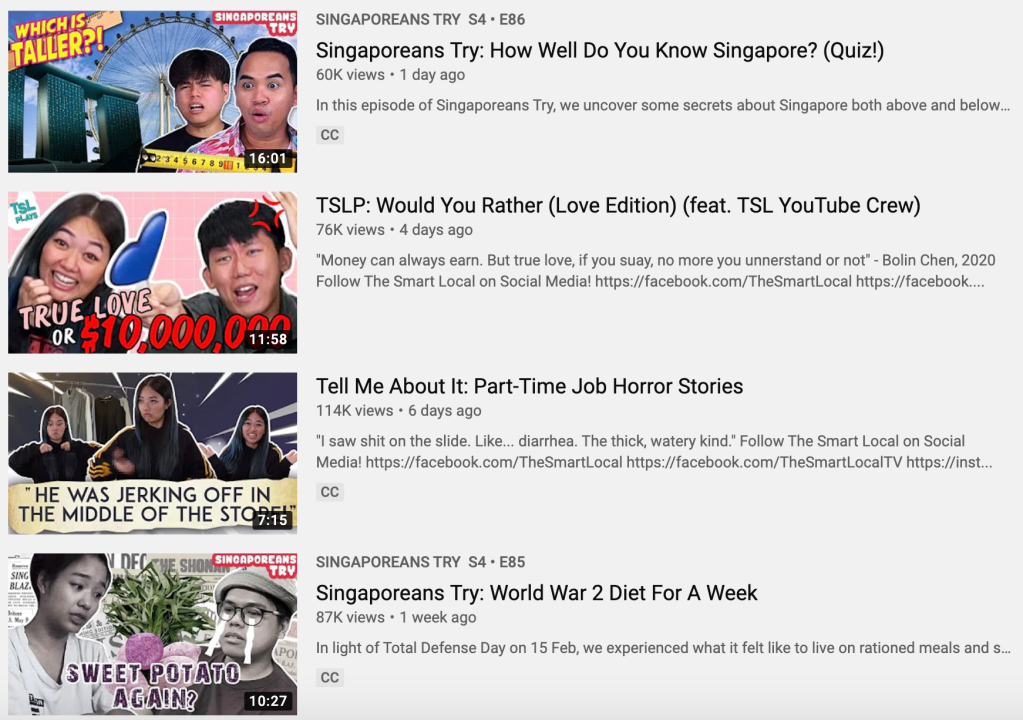
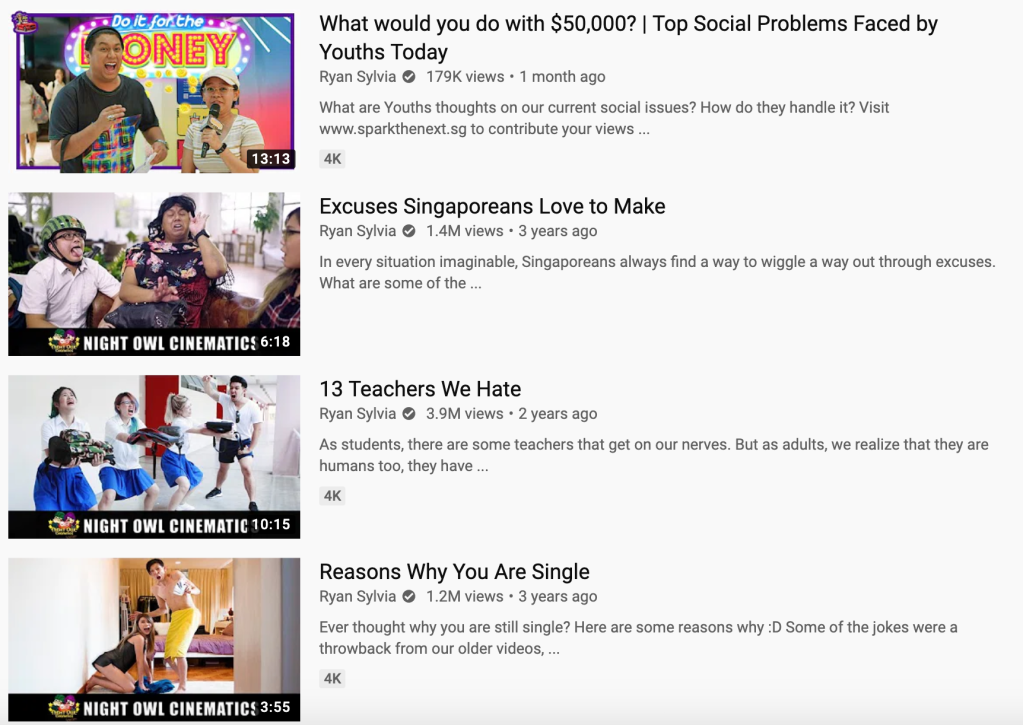
Here are some examples of videos on YouTube that are not sponsored. I honestly feel that these YouTubers give much more authentic makeup products reviews compared to advertisements.
To conclude, I feel that it is impossible to predict if mainstream TV will eventually be gone. However, looking at how things are and how all the younger generations now are using the internet instead, TV will most probably go out of trend sooner or later.
Thanks for reading and I hope you like our group’s video! 🙂























 jy
jy 
