Group’s video and User Generated Content

Hello friends! Today’s blogpost will be a pretty interesting one, because you will get to see our group’s mini ‘parody’ video! The media text that my group and I chose to portray in our video was Uses and Gratification theory.

Here’s our attempt on the video.

My group and I filmed this video on a very hot and humid day in MBS. It was pretty fun, despite our free flow sweat in the beginning.

We came out with three main applications that we thought was the most relevant in the media space: Instagram, Twitter and Whatsapp/Tiktok.

It is prevalent how almost everyone uses these applications for different purposes, be it for leisure or just to seek validation. Since our topic is on Uses and Gratification theory, we thought it would be agreeable to show the behind the scenes on how some people uses these applications. Quick recap, the Uses and Gratification theory explains how we all uses media for our own personal benefits.

Explanation on the video

The first scene of the video was on Instagram.

Instagram’s slogan is “Capture and share the world’s moments”. However, my group mates and I feel that it is not always the case, as people tend to only show moments that they chose to share. Not to roast any catfishes but many people only post pictures that they think they look decent. I am not saying that we should not do that, because I myself am guilty of that too. In my opinion, most people chose to only show the pretty side online just to gain attention and validation, as it seems that only the good-looking ones are the most accepted in the online culture.

Back to the video, the scene depicts two friends, Aisah and Josie, scrolling through their Instagram feed and giving likes to pretty girls. Both of them were envying the pretty girls, until Angel walks in asking them if they’ve seen her sunset post. Aisah and Josie appeared to be uninterested, as it does not fall under the identity of “pretty girls”.

This links back to the Uses and Gratification theory as the message we were trying to convey was how many people uses the media as an escapism, seeking validation by only posting the ‘pretty’ side online. This is because in the media culture, pictures of pretty people are most likely to gain more attention than a picture of a normal sunset. With more ‘likes’, there will be more validation for the ‘pretty people’. Moreover, many people use Instagram for entertainment, stalking pretty people and low-key wish that they look like them.

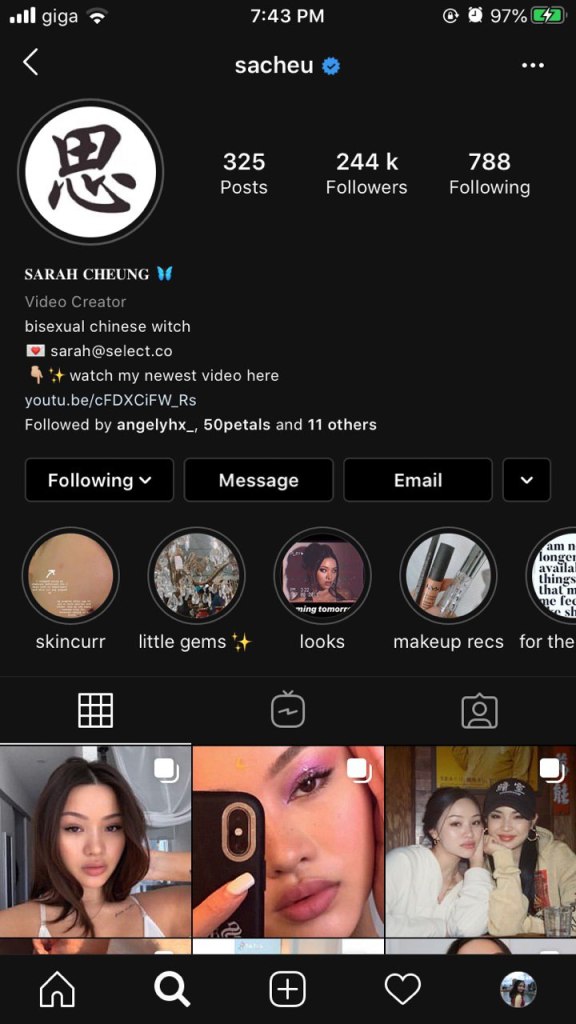
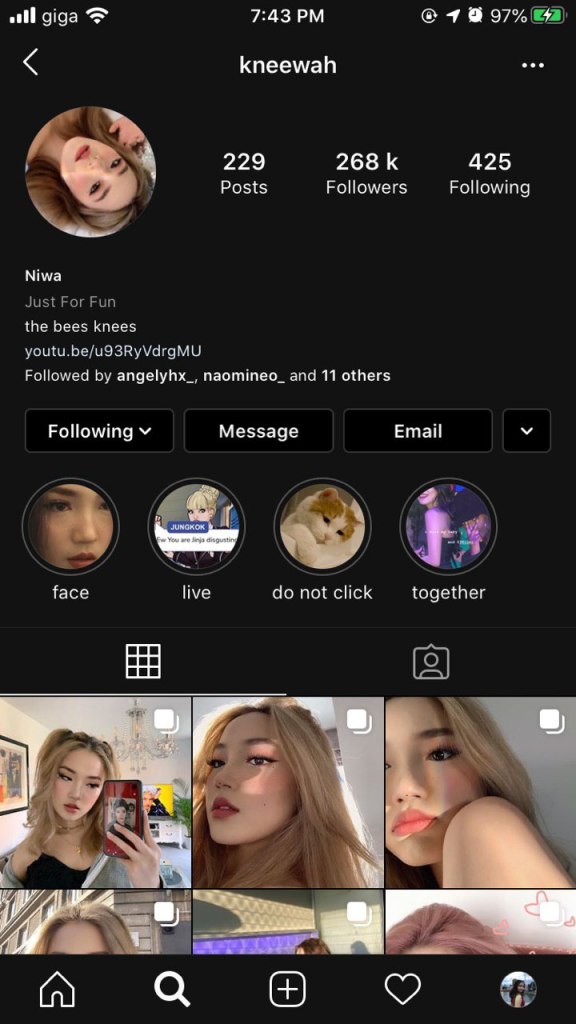
Okay sorry to side track, but just to share with you, here are some of my favourite Instagram babes!
The next scene was on Twitter. Many of us know that people like to share things on Twitter that they think will go viral. Some even step out of their comfort zone to do risky things just because they want fame. With the current COVID-19 pandemic, the chances of purchasing any masks are close to zero. Even if there is, it is often sold at an outrageous price by people. In this video we filmed, it depicts Aisah as the ‘fake news reporter’ and me, the one going undercover to expose Siva, the ‘mask dealer’. Aisah and I are twitter users who want to gain attention and fame on Twitter. This links back to the Uses and Gratification theory as the message we were trying to convey is that most Tweeters tweet things for fame, because viewers on Twitter enjoy such entertaining contents.

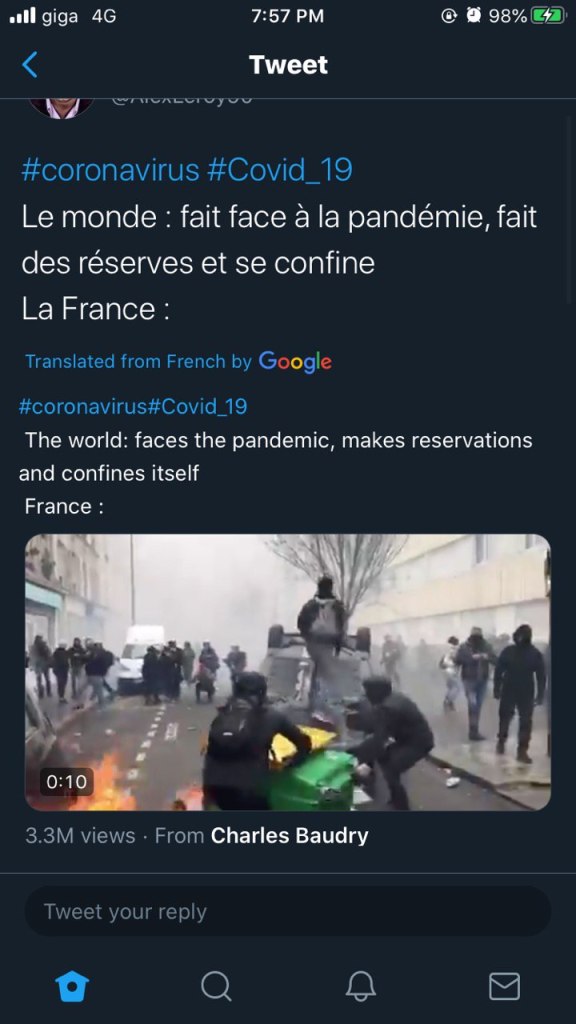
Here are some examples of tweets you can find on Twitter. I don’t know if it is just me but I find these stuffs more genuine than TV news. Just one tweet and the world can see what is going on in the rest of the world.

The last scene was on Whatsapp/Tiktok. One click away and we can share news, pictures or files to our family and friends. The video shows Angel watching a cute puppy video on Tiktok. She then shared it to me via Whatsapp, and then I shared it to Josie. Initially, Siva did not receive the video until Angel walks in and show it to him. This explains how all of us are in one shared community. The things we shared online can be spread to others so easily. This links back to User and Gratification theory as we use this application as a source of entertainment, to form closer relationship with our family and friends by staying connected, and even as a conversation starter with them!

User Generated Content (UGC)

UGC describes any form of content that has been produced by users. Basically, it uses users of the brand to promote the brand instead of the brand promoting itself.

One relevant example most of us will know is Apple. ‘Shot on IPhone”. Sounds familiar? Apple uses photos that were taken from users of iPhone. Simply add a hashtag and your pictures might be featured on billboards, retail stores and even on their website.
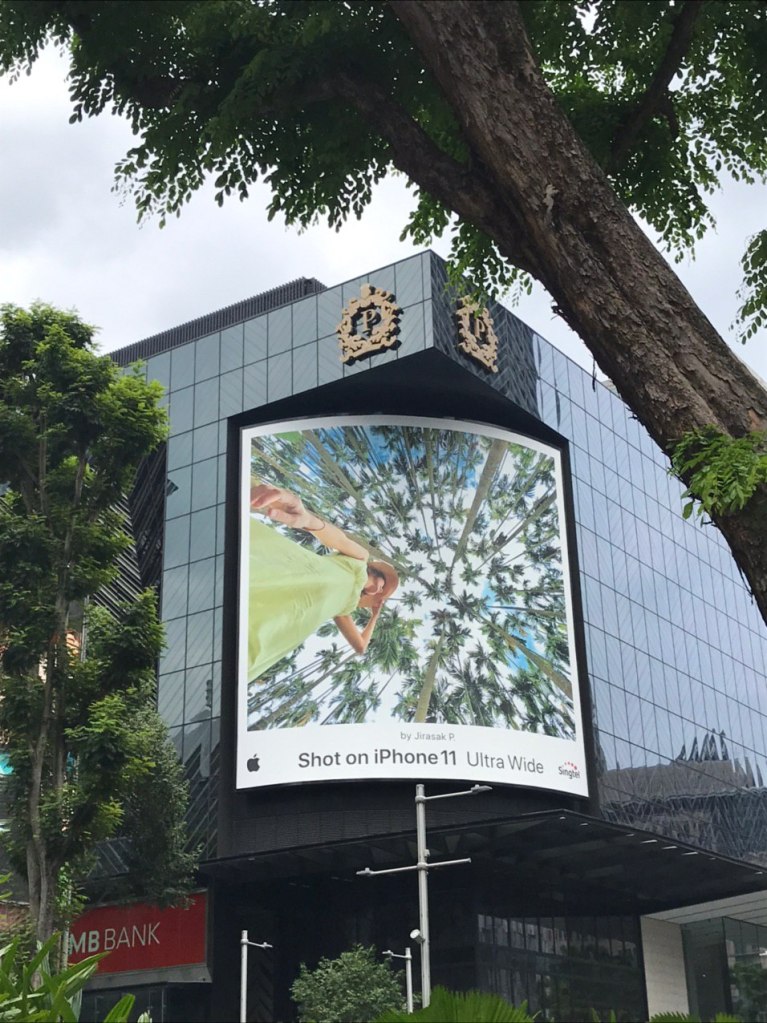
Here is a picture I took in Orchard Road earlier this afternoon!

So how does UGC changed the way I view and understand mainstream traditional TV?

When I was younger, a typical weekend involves me watching my favourite Doraemon show in the morning on Channel 8 TV. I remember having to watch through all the advertisements during commercial breaks. Today, people rarely watches TV anymore, so I guess that’s why more and more companies choose to advertise on social media platforms.

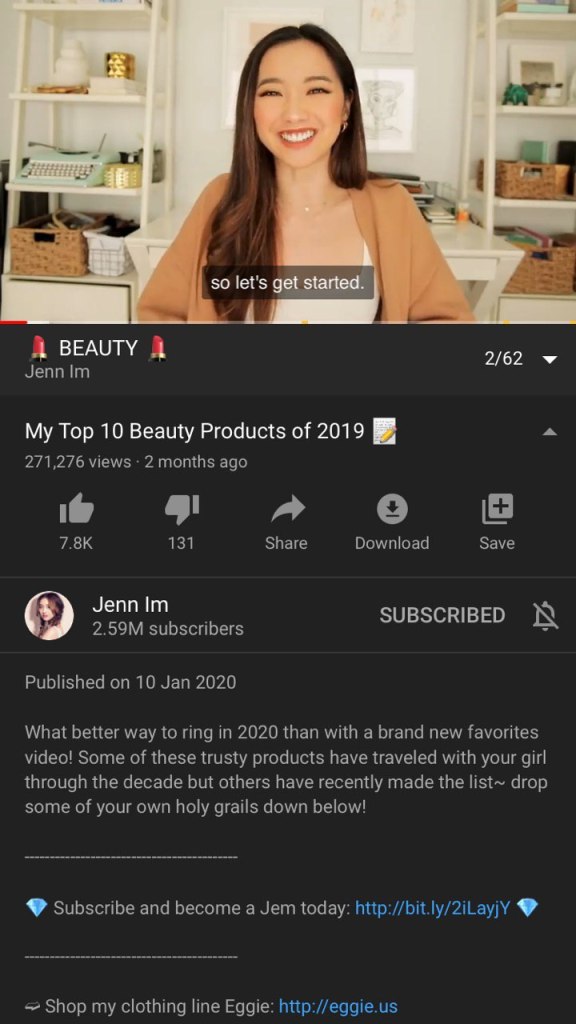
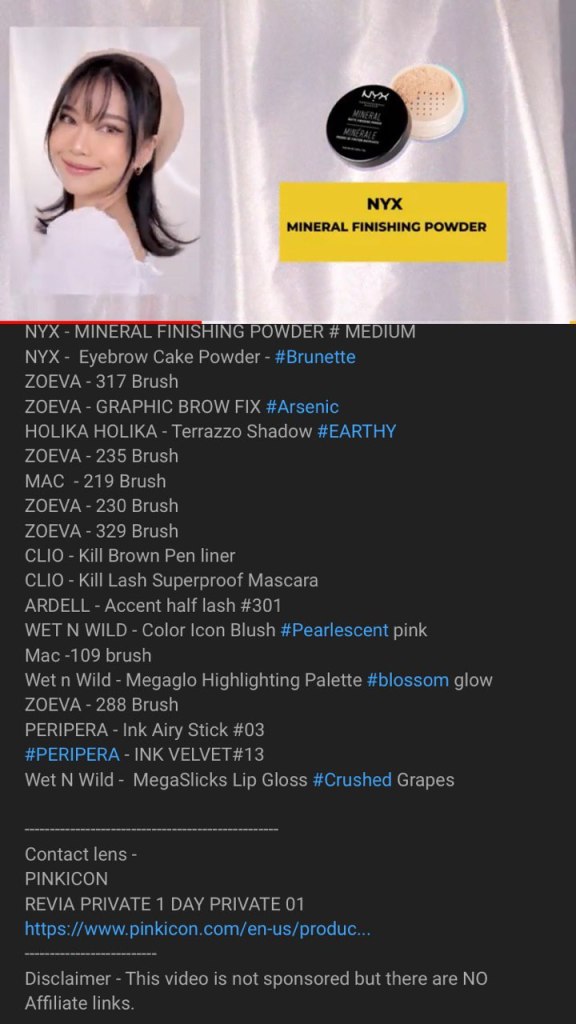
With so much more options to choose from other than TV, I will personally prefer using the internet to get my source. Instead of watching advertisements produced by companies to hard-sell their products, I can choose to watch YouTube videos uploaded by users who used and reviewed the product without any form of biasness (not sponsored videos, of course). I can watch and read many reviews to compare my options, and ultimately make the decision whether to buy the product or not.

Here are some examples of videos on YouTube that are not sponsored. I honestly feel that these YouTubers give much more authentic makeup products reviews compared to advertisements.
To conclude, I feel that it is impossible to predict if mainstream TV will eventually be gone. However, looking at how things are and how all the younger generations now are using the internet instead, TV will most probably go out of trend sooner or later.

Thanks for reading and I hope you like our group’s video! 🙂

Feminism and the Mediate Public Sphere

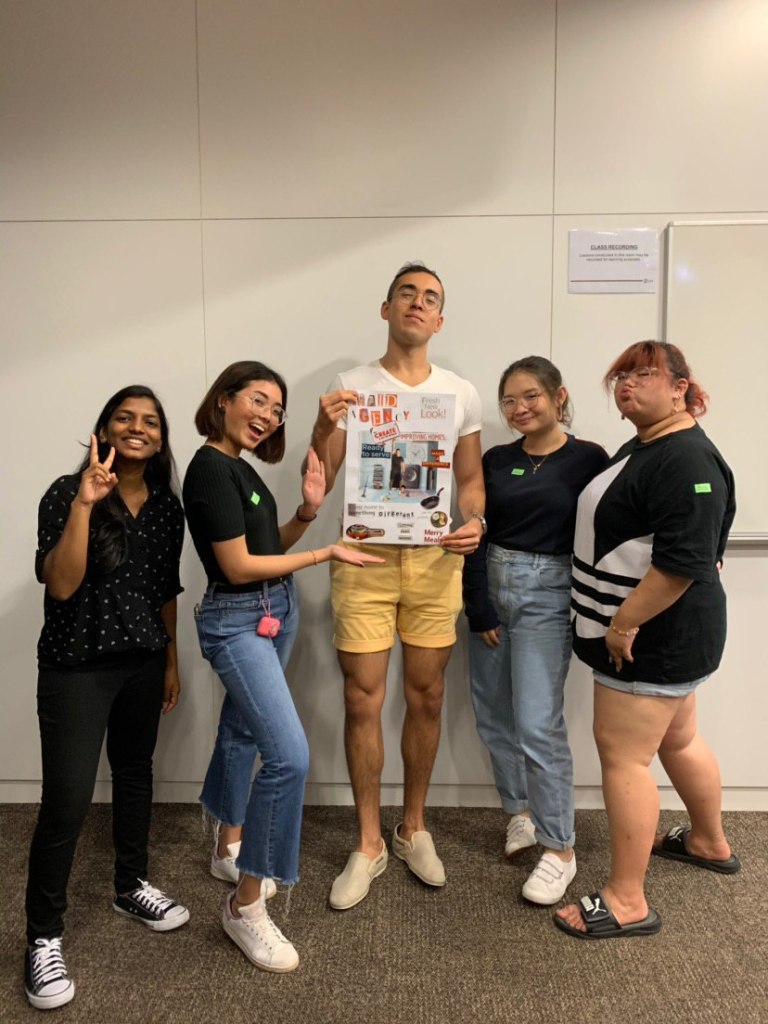
Hello friends! Welcome back to my blog! In today’s post, I will first be discussing about our recent group subvertisement poster topic which was “What is Feminism in 2020?”.

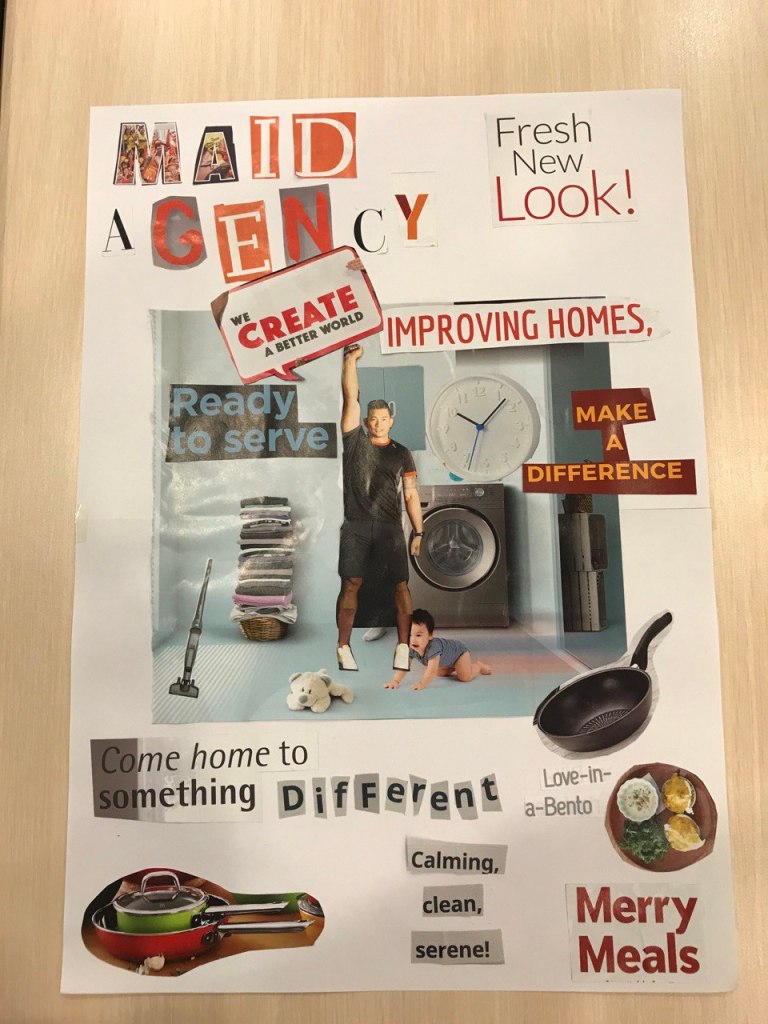
Here is the picture of our group’s subvertisement poster.

The message that we were trying to convey was how people often tend to assume that the word “maid” will definitely be a female. There are often gender stereotypes when it comes to different occupations. In my opinion, I feel that there should not be a household gender gap as both men and women are capable of doing the same thing, be it cleaning or cooking. To be precise, our strengths and weaknesses should not be defined by our gender. It is important to not categorise genders into different expertise as in this generation, women and men can both be successful and capable in their own ways. For example, some females can be very good at managing money but bad at cleaning, while some men can be very good at cleaning while bad at managing money. With that, I feel that both females and males should be looked at equally and have equal opportunities to do what they want to do.

Mediated Public Sphere

Now that our generation revolves mainly around the media, many people often uses it as a public sphere. Their opinions can be shared easily through social media sites such as Facebook, Twitter and Instagram.

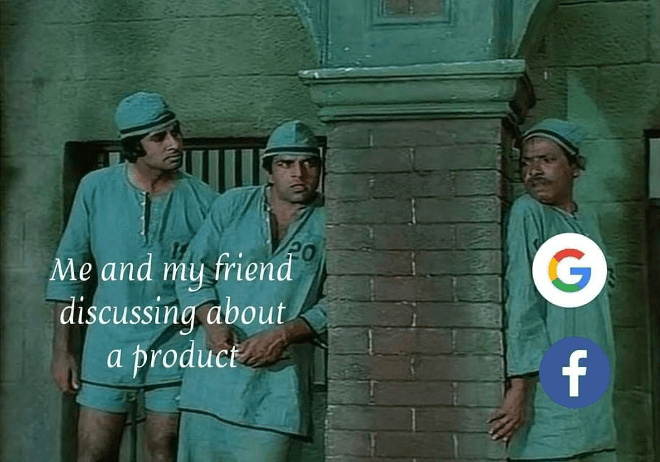
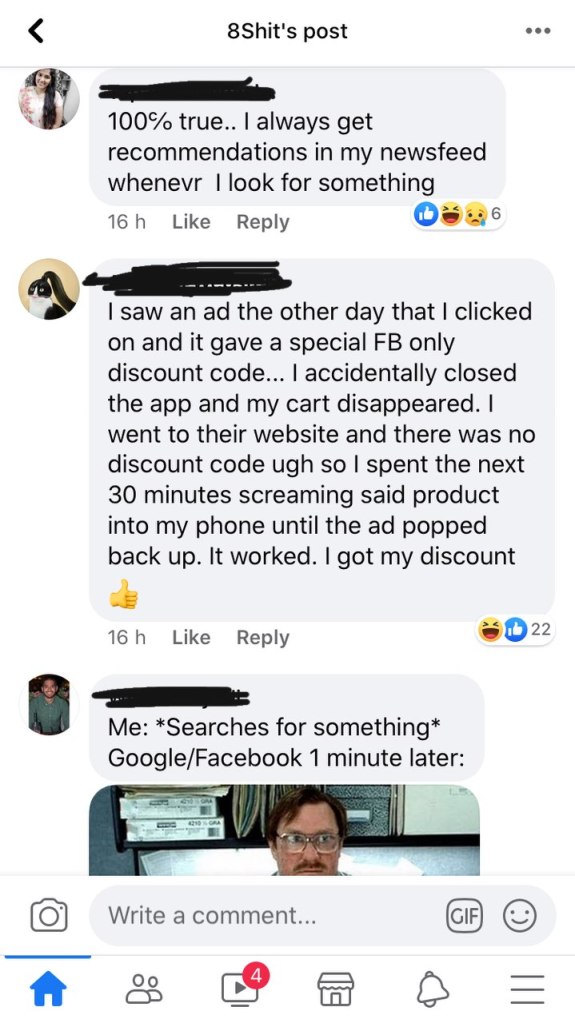
Here is an example I took from a Facebook page.

Many people use the media to make memes of things that are relevant in this day and age. Some of them make memes to diss about something, while some make them just because they are bored or they find something funny. This meme was made by a Facebook user, explaining how sites like Google and Facebook are always “listening” on what we are discussing or searching about. Personally, after online shopping, I will often scroll through my other apps like Facebook. Most of the time, there will be advertisements on my Facebook feed advertising on the things that I was searching for.

Comment sections on social media sites are often a public sphere to many users, as it is where they share their thoughts, experiences or knowledge based on that post.

Here are some of the comments from this Facebook post. It is evident that I am not the only one who experienced this.

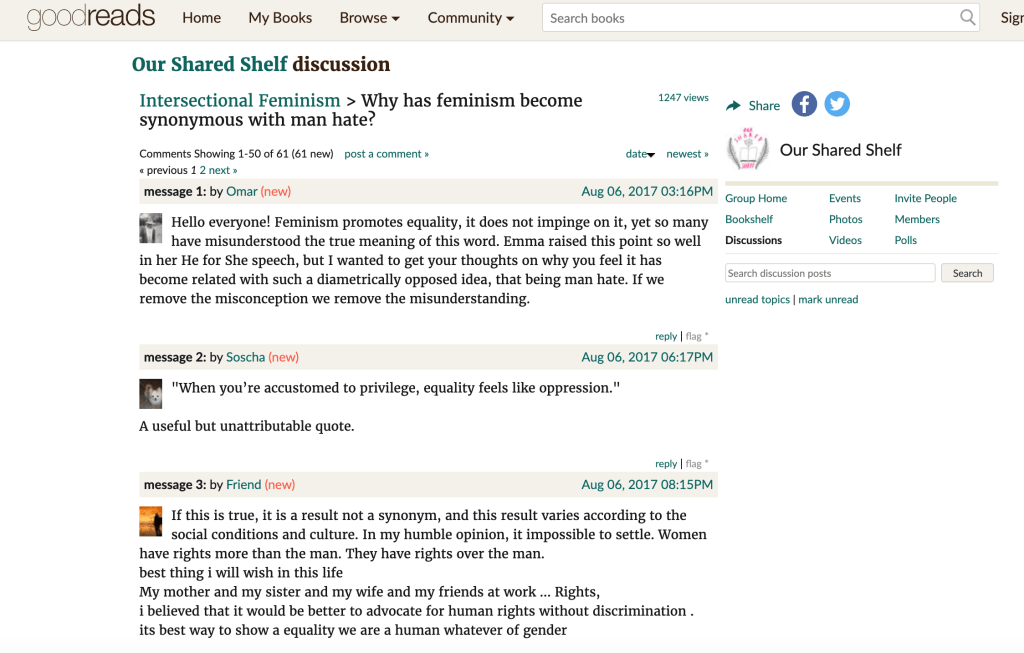
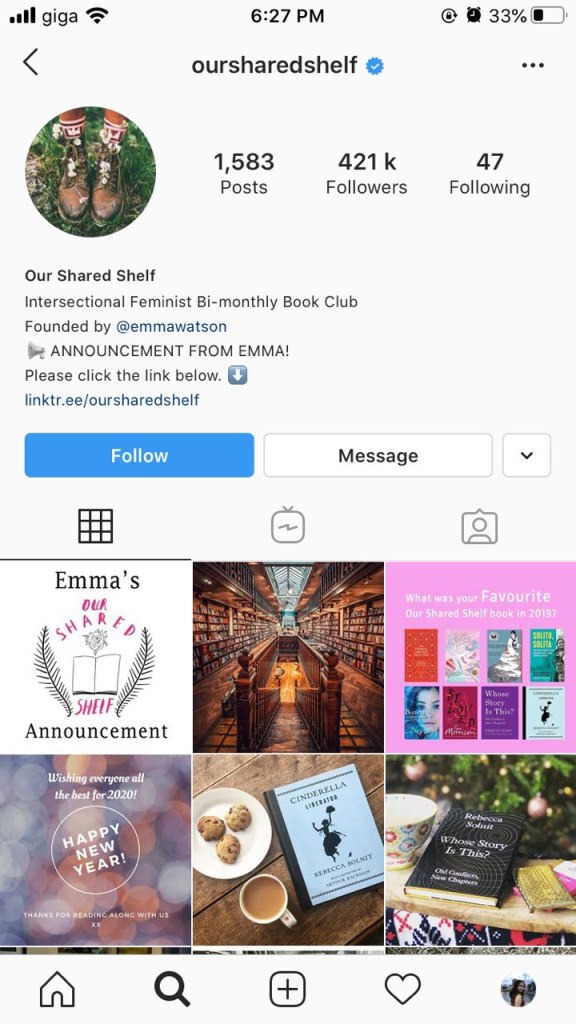
Another example of a mediated public sphere will be Our Share Shelf.

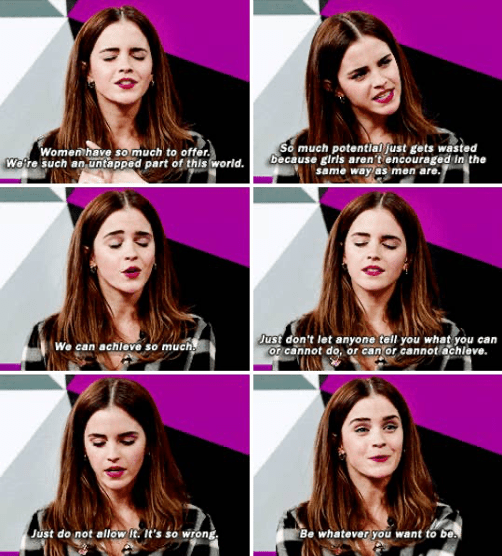
Our Share Shelf was founded by Emma Watson. It is an online forum group for people who supports feminism and equal rights. They can share books that inspire them and discuss about topics with the community of people online. This acts as a form of open discussion, connecting different views from the public.

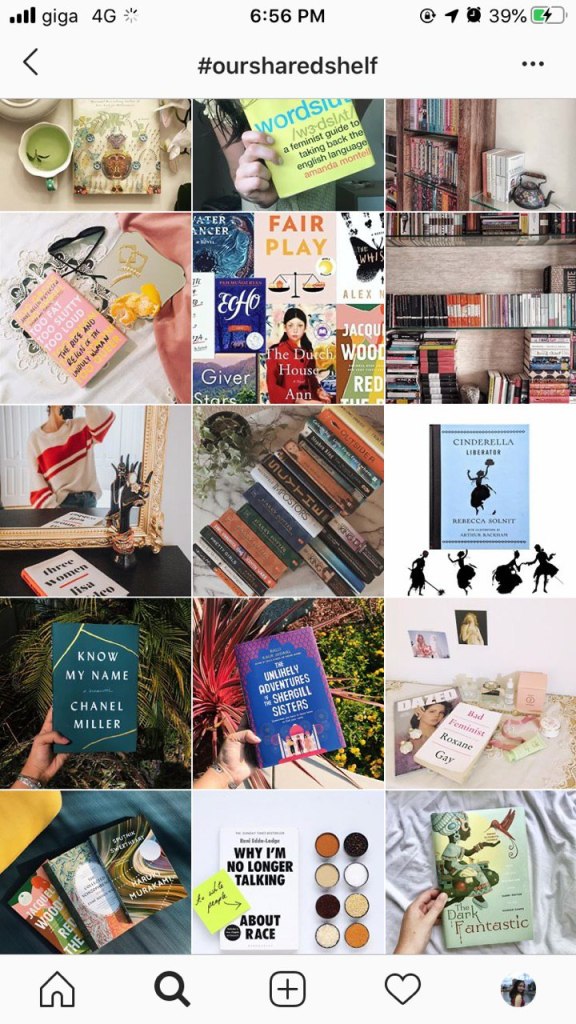
Also, you can simply just post a picture on your Instagram page with a caption that includes #oursharedshelf for everyone to see your book recommendation on Instagram! How easy is that!

To conclude,

Unlike the past, when only rich white men were allowed in the public sphere, I feel that our current generation are very lucky as we can share our opinions online so easily. This mediated public sphere becomes a discussion forum for us, enabling us to talk about things from books recommendation to even political views. This really shows how much the society progressed as more and more people are using the media as a mediated public sphere, which enables more perspective and exchanging of views among the community. However, the users should also know where the boundary line is when it comes to sharing of their own personal opinions. This is to avoid any unnecessary drama or conflicts as some issues. There are some things that we can joke about and there are some that we cannot. Hence, we should all be aware of what we share and be responsible users.

Thank you for reading! Hope to see you on my next post! 🙂

References

50 Feminist Memes That Will Make Most People Laugh But Trigger Sexists. (2020). Retrieved 4 March 2020, from https://www.boredpanda.com/feminist-memes/?afterlogin=savevote&post=1528542&score=1&utm_source=pinterest&utm_medium=social&utm_campaign=organic

jonasbro. (2016). Retrieved 4 March 2020, from https://jonasbro.tumblr.com/post/113217857621/if-someone-had-told-me-that-my-brother-could-go

8Shit. (2020). Retrieved 4 March 2020, from https://www.facebook.com/281849238620927/posts/1876761542463014/?d=n

Our Shared Shelf. Retrieved 4 March 2020, from https://www.goodreads.com/group/show/179584-our-shared-shelf

Does it matter who owns the media?

Hello everyone! In today’s blog post, I will be discussing about our last week’s mini group presentation topic. All groups did a great job presenting their points last week! In this post, I will be explaining from my own perspective and also summarises some of the points that we all mentioned in class!

What is Infocomm Media Development Authority (IMDA)?

The IMDA is of paramount importance when it comes to the media in Singapore. They are the statutory board of the Singapore government. All sorts of media related stuffs such as our local broadcasting company, Mediacorp and also media organisation, Singapore Press Holdings (SPH) have to go through the IMDA as they regulates the converging of media information. The IMDA also works with private media companies to broadcast informative information to the audience in Singapore.

Image result for imda

Government Owned Media

In my opinion, the media owned by the government provides us with more reputable and reliable information.

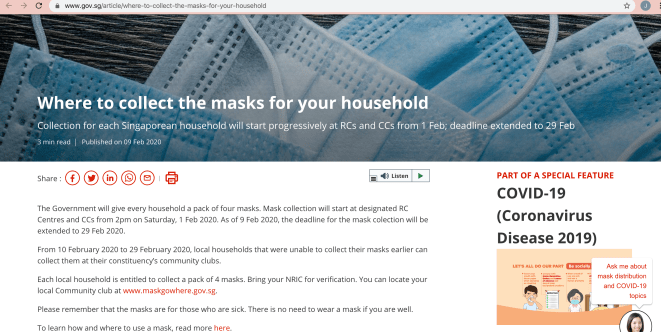
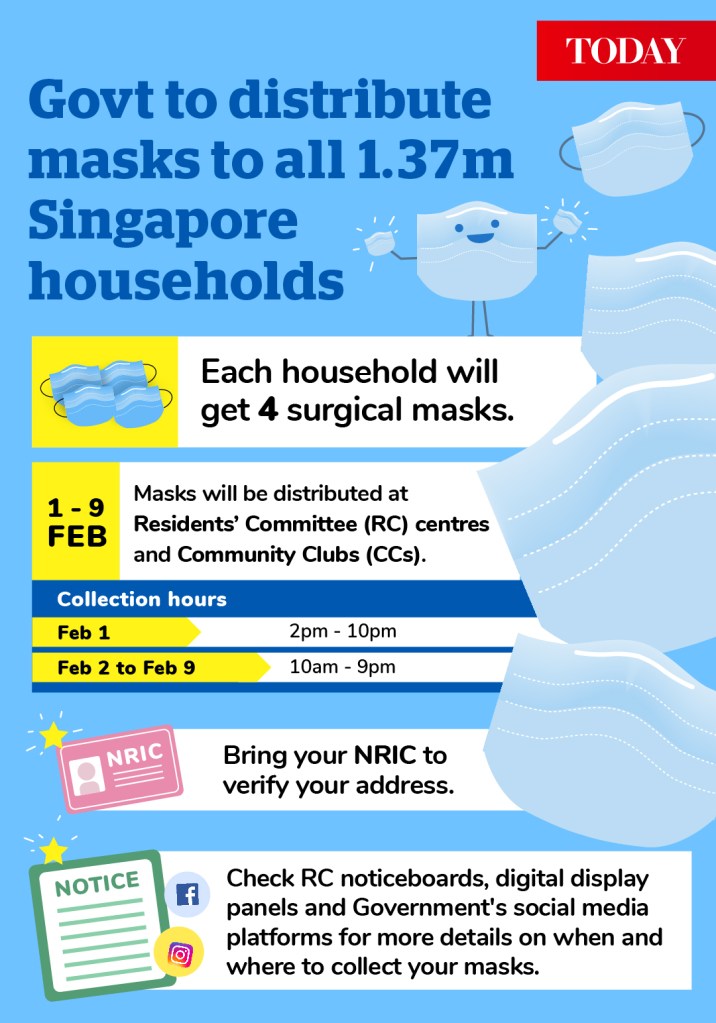
An example would be the recent information on collection of face masks. The local news and government website informed us on where we can collect our free face masks. This information is authentic and reliable as it is a direct mouthpiece from the government. Personally, I will trust the government website more as I believe that the facts they provided us are what they think is best for the country.

When there is a crisis going on in a country, many people will go out of control. Some will even come up with nonsense logic and ideas and spread them to the community. In return, this will only worsen the situation. This shows that if there is no one decent channel that we all can trust and rely on, people will all start believing different facts, and not knowing what is right or wrong. Hence, I believe that a media channel owned by the government can be the main source of information for the citizens. Simultaneously, they can also keep the country in place.

A screen shot I took from the government website.
A poster published by TODAY (a digital news provider under Mediacorp)

Furthermore, most of the contents published by the government owned media are more family-friendly. Explicit contents are not shown when you are watching the news on TV with your family. Also, if the particular show is not suitable for a certain age group, there will be a film classification warning. This enables parents to be more cautious about picking shows for their children to watch.

File:Singapore Film Ratings.png

Private Owned Media

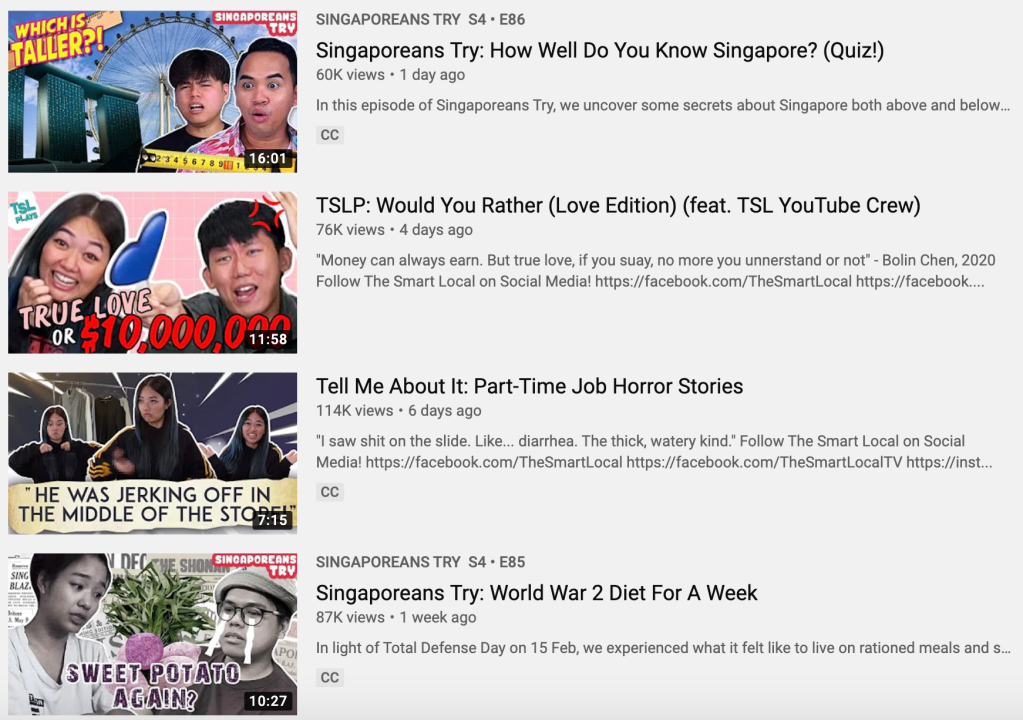
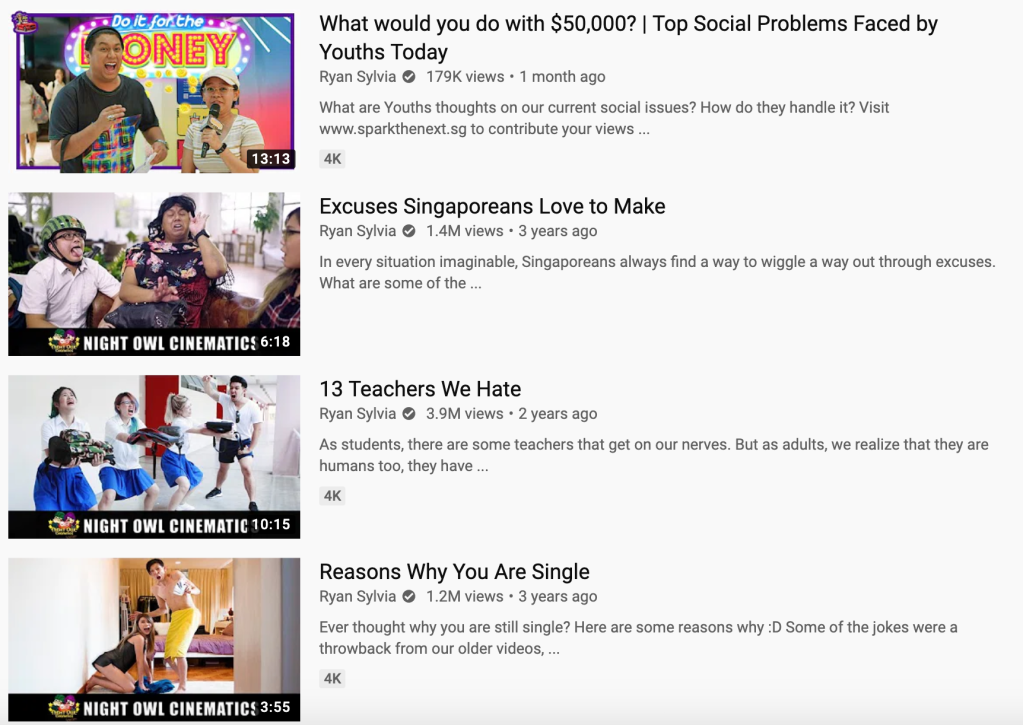
These companies or organisations have their own private ownership, which means that they have the rights to choose what they want to broadcast. With that, I feel that private owned media tends to broadcast things that are more appealing and relatable. Youtube channels such as Night Owl Cinematics and The Smart Local post videos about the local’s public opinions, or even a typical thing that Singaporeans can relate to. They published it in a more entertaining and laid-back way that I believe will make the audiences feel a deeper connection and relatedness.

A screen shot of videos from The Smart Local’s Youtube channel
https://www.youtube.com/user/TheSmartLocal
A screen shot of videos from the Night Owl Cinematics’s Youtube channel
https://www.youtube.com/user/Alozerk

Both of these channels published a variety of videos that are relevant in a Singaporean’s daily life. I feel that this can also mean that such channels are more interested in generating profit. This is because the more supporters they have, the more videos they will post, even to the point that they will post anything that they assumed the majority of audiences will like. The downside to this is they might end up posting false information, spreading it to the public.

Here is something you will find in a typical Singaporean’s WhatsApp family group.

Random texts, videos and links sent from your aunties and uncles without a valid source.

A screen shot from my family’s group chat

Since this form of media outlet advocates the freedom of speech, people can say whatever they want as there is no one controlling them. They can spread rumours and say their political opinions on things that they dislike or disapprove. Personally, I will not admit that some of these information are completely wrong, but I think that these information are not trustworthy enough. If everyone starts trusting on different random sources, isn’t that going to make everyone feel more confuse and panic? I also feel that credulous people will most likely fall under the trap of fake news. My mom tends to be easily convinced by such texts that were forwarded without a valid source, while my dad always like to say my mom is too gullible to even believe such news. This overload of information makes people unsure on who or what to believe in, and even make some people to not even want to trust anything at all.

Back to the main question… Does it matter who owns the media?

Yes, it does matter. From my perspective, the government should own the media. The IMDA is the regulator for our media content in Singapore. Without it, the media content in Singapore will be overloaded with an unsystematic of media content. Also, since Singapore is a multi-racial and multi-religion country, guidelines and policies should be implemented by the IMDA so that no racial or religious groups will be offended or criticised. Additionally, a small country like Singapore will be in haywire if false crisis message was spread. With government owned media, sources are more reliable and it keeps this small country in harmony and in place. We should also educate ourselves on what sources to believe in, so that we can be more informed of what the actual news are.

Thank you for reading! 🙂

References

IMDA – Infocomm Media Development Authority. (2020). Retrieved 19 February 2020, from https://www.imda.gov.sg/

Where to collect the masks for your household. (2020). Retrieved 19 February 2020, from https://www.gov.sg/article/where-to-collect-the-masks-for-your-household

Govt to distribute masks to all 1.37 million Singapore households amid Wuhan virus outbreak. (2020). Retrieved 19 February 2020, from https://www.todayonline.com/singapore/govt-distribute-masks-all-137-million-singaporean-households-amid-wuhan-virus-outbreak

File:Singapore Film Ratings.png – Wikimedia Commons. (2020). Retrieved 19 February 2020, from https://commons.wikimedia.org/wiki/File:Singapore_Film_Ratings.png

Uses and Gratifications

Hello! In this week blog post, I will be discussing about the Uses and Gratifications theory, which was introduced by Bulmer and Katz.

This theory suggests that people uses the media for five different reasons:

  • For information and education — e.g. TV broadcasts, newspapers, documentaries, latest trends, etc.
    • The media becomes our source of information, where we gain and acquire knowledge about the world. It keeps us updated and benefit us in certain ways.
    • For instance, watching the weather forecast on television channels, listening to weather reports on radio.
  • For entertainment purposes — e.g. random memes and comedy videos, etc.
    • The media keeps us entertained, making us less bored during our free time.
  • For identity — e.g. looking up to certain idol, actor, influencer, etc.
    • The audience are able to find their role models, or people who have similar beliefs or attributes as them.
  • For integration and social interaction — e.g. conversation starter, strengthens friendship, etc.
    • A group of audience watching a TV show together can bond them, especially when they all share similar interests.
  • For escapism — e.g. video games, fantasy shows, etc.
    • The audience uses the media as a form of distraction, or as a form of relaxation. Some audience will think that the fictional world in media is much better than the real world. Hence, making it a form of escape from reality.

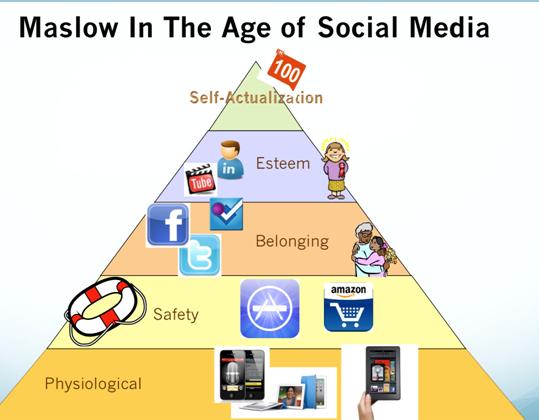
Everyone uses media for their own benefit. Some use it to kill time or as a form or distraction, while some use it to entertain themselves to get away from the harsh reality that we lived in. The usage of media is so significant that it became part of our everyday lives. This is closely related to the Maslow’s Hierarchy of Needs.

Image result for maslow hierarchy of needs
Maslow’s Hierarchy of Needs
source: https://www.simplypsychology.org/maslow.html

Unlike the previous theories that we learned on how the media affects us, the Uses and Gratification theory focuses on the audience’s viewpoint. It shows how we make use of media and how we input it into our daily needs. For example, some people find love and belongingness online. One swipe on tinder and you will find yourself a lover (if you’re lucky of course). Also, a fan base group online can let you make friends with people who share a similar interest. There are so many different examples on how the media changes the way we live in throughout the years. Are there any media influencers online 20 years back? No. In this day and age, there are so many influencers all over the world. An example will be Kylie Jenner, who is one of the highest paid Instagram influencer and is sponsored by many companies. One post on Instagram and she earns countless bucks. The fact that she have so many audience, it shows how much power she have in influencing people’s buying habits. Some audiences trust influencers more as they claimed that they are more authentic than advertisements. Perhaps the reason is because the audience feels a connection between them and the influencers.

What is Lobbying?

Here’s a fun fact. How did the word “lobbying” came about?

Back in the 17th century, the people in England wanted to influence the members of the Parliament. They stood outside the lobby of the parliament, hoping that they will be able to communicate with the members of Parliament. In this day and age, lobbyists have the same motive, hoping to get their messages across to the Parliament.

At the present time, there are many interest groups that aim to advocate the public on a particular matter. These groups are represented by a social cause, religious or idealogical interests, etc.

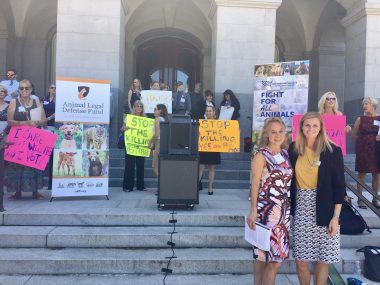
An example of lobbying by the Animal Legal Defense Fund
source: https://aldf.org/article/recap-california-humane-lobby-day-2019/

The picture above was taken from the Animal Legal Defense Fund website.

At a denotative level, this is a photograph of lobbying taking place. This picture looks like it was taken at the lobby of the Parliament or court. There are many people holding up banners, supporting animal rights. There are also two ladies without banner, dressing more formally than the rest. At a connotative level, this picture might be taken by reporters, as this look like a big event. The people in this picture look happy, which shows that they are enthusiasts. The two ladies dressed in formal attire look like they are the higher ups, probably the lawyers or the CEO representing the Animal Legal Defense Fund. It also looked like an agreement was made, something beneficial for this lobby group as they all look like they are celebrating. At a mythic level, this group of people are animal activists who hope that other people will be influenced by them to do the same. They hope that more people will join the Animal Legal Defense Fund to protect animals at all costs.

The Animal Legal Defense Fund files lawsuits to protect animals from harm and send emails and letters to politicians to advocate pro-animal measures. They also educate the public in seminars and workshop to convey their mission.

Here is a video by the Animal Legal Defense Fund.

The Animal Legal Defense Fund hopes to gain awareness from the public on animal cruelty issue. They hope that people can help in different ways, be it donating or writing letter to their state legislators to appeal for animal rights.

To conclude, lobby groups are important as they have the power to influence and also win the public’s opinion. However, there are also down sides to lobbying. If one is easily influenced, interest groups with bad intentions will be able to influence and promote opposing easily. Therefore, it is important for us to be vigilant with the information we get, as what we support will ultimately shape our future.

Thank you for reading! 🙂

References

https://www.oxfordbibliographies.com/view/document/obo-9780199756841/obo-9780199756841-0132.xml

https://revisionworld.com/a2-level-level-revision/media-studies-level-revision/uses-and-gratifications-theory

https://www.khanacademy.org/humanities/us-government-and-civics/us-gov-political-participation/us-gov-groups-influencing-policymaking-and-policy-outcomes/v/interest-groups-and-lobbying

https://aldf.org/article/working-with-legislators/

https://aldf.org/about-us/

the effects of media

Welcome back to my blog! In my second blogpost, I will be sharing my opinions on the effects of media.

The media is constantly evolving as technology advances. It is so prevalent in our society today as almost everyone in this day and age are using it. It can be used for a widespread of purposes such as for entertainment, education, businesses and even for political uses.

Related image

What is wrong with the ‘media effects’ model?

David Gauntlett mentioned a few interesting points about the flaws in the media effects model. One of the point he mentioned was how most of the media effects model used methods that are unfair or wrong. There are flaws in their experiment, which means that the end results might not be reliable.

An example will be the Bandura’s Media Effects theory, which was explained in class. Bandura was trying to prove that when children watches violent things, it will make them violent. Firstly, I feel that it is unethical to use children for the experiment as their minds are not fully developed yet. The experiment itself should also show a video of the adult hugging the doll. You’ll never know but maybe the children might hug the doll too? I also feel that the reason why the children portray violence was because they were just trying to please the adults that instructed them to “play” with the doll. Children hitting dolls does not mean that they will hit humans too, as dolls and humans are totally different.

Another way to look at this will be a kid watching violent video games and show signs of aggression behaviour towards others. Without a doubt, many people might assume that it is because of the video game that makes him like this. Honestly, I feel that it is not always the case as they might be many other factors that contribute to one’s behaviour. What if the kid comes from an abusive family? Or maybe he is a neglected child who just needs parental guidance? This shows that what we see is only superficial.

When I was younger, me and my brother watched movies such as SAW, which depicts really violent scenes. We both showed no signs of violent behaviours. We live in a generation that allows us to view any media even though it is “restricted”. I believe that instead of “hiding” it, adults should teach children what is right and what is wrong. With that, I feel that violent shows is not the main reason why children become violent. It is merely just a trigger factor.

In my opinion, with the media being such a high profit industry, I feel that it is impossible to stop them from broadcasting shows that might seem too violent for children. This is because there are viewers who like violent shows as they might feel that it is a form of art, while there are also viewers who would prefer watching typical dramas. With that, it is impractical to remove genres that other people like. We should work on correcting one’s violent behaviour, as the main issue might be a psychological problem instead.

What are some interesting questions to ask about the role of media today, in the shaping of mass opinion?

Here are some questions that I think are relevant:

  1. What are the roles of us (user) when it comes to using media today? How do we use media responsibly?
  2. How can our role help the community? Will it help us progress better in the future of media?
  3. How do we know the accuracy of the content shown to us from the media?

Thank you for reading! 🙂

about me!

Hello there! my name is Jing Ying, but you can call me JY instead. My birthday is on 25th March 1999, which means i’m turning 21 this year! Some things that make me happy are pretty sunrise, sunset and flowers. I enjoy baking, eating, shopping, listening to music, watching random videos on the internet and sometimes reading. I also love spending time with my friends, because they never fail to make me laugh and they meant the world to me.

I graduated from Republic Polytechnic with a Diploma in Biomedical Sciences. I did learn a lot during the 3 years course, but I realised that wasn’t really my thing. My internship was at A*STAR, doing all the science stuffs in the lab. I was working with a lot of zebrafish. My typical day include breeding the fishes (yes I even learned how to spot the differences between male and female zebrafish), collecting their embryos, collecting their scales for genotyping and also fixing their embryos at a certain stage. As I was only an intern, my work was pretty mundane and repetitive. I did learn a lot during the internship and gained a very valuable experience. However, I couldn’t foresee myself doing science in the future. With that, I took a few months break.

FINALLY graduated!!

After graduation, I wanted to gain more experiences in the workforce. I started working full time at ASTAR as junior procurement admin. 5 months of being an office lady really gave me a sneak peak into adulthood. Being the youngest in the office, I was lucky enough to have friendly colleagues who were all very patience with me, even though I bet most of them can’t even remember my name as they addressed me as “xiao mei” (little girl).

After that, I tried working at a preschool as a relief teacher for a few days. It was so fun and it kind of gave me baby fever. The downsides are smelly diapers and crying babies. But the 2-3 year old kids were all so cute and precious!! I also work part time at a children’s clinic, and I am still working there till today. The job at the clinic is pretty straightforward. However, I remember having a hard time reading the doctor’s handwriting during the first few shifts of my work. “VENTOLIN?? VASICAN?? ERMMM IT LOOKS THE SAME???” Luckily, now that I’ve already work there for a few months, I am able to read his handwriting in a jiffy.

here’s a picture of a cute little girl who won’t stop asking for a hug from me ❤ LOOK AT HER PUPPY EYES

Why Psychology?

There are endless things to learn about in this area of study! When I was younger, people always tell me that I can’t really do anything with a psychology degree. That honestly made me skeptical about studying it because I was afraid I could not find high paying jobs without a Masters or a PhD. However, that break I took after graduating from poly made me realised that there is harm going for your interest. As I mentioned above, I like children and I want to be able to help them. I want to understand their thoughts, developmental processes and why certain children behave differently from others. That itself motivate me to take up a psychology degree. Hopefully in the future, I am able to further study and be able to specialised in child psychology.

How can BCM 110 help?

The media is of paramount importance in our daily lives, especially to younger people. I am pretty sure most of us in this generation rely on media so much that without it, it feels unnatural. Media studies will enable us to learn ways on how we can raise awareness on relevant issues, while psychology teaches us the process of thinking and development. I believe with knowledge on both psychology and media, we will be able to promote physiological issues and also reach out to people in need.

That’s all for now! Thank you for reading!